Furniture Render Pipeline
Overview
Furniture products are highly configurable.
A single product may be available in dozens of fabrics, multiple frame colours, several sizes and different layouts. Combined, this quickly results in hundreds or even thousands of render variants.
Producing these manually is repetitive, time-consuming and difficult to maintain.
This project explores how a Python-driven rendering pipeline can automate that process while producing consistent, production-ready product images.
Pipeline
Blender scene
        │
        ▼
 Product data
        │
        ▼
 Python automation
        │
        ▼
 Blender (headless)
        │
        ▼
 Material assignment
        │
        ▼
 Batch rendering
        │
        ▼
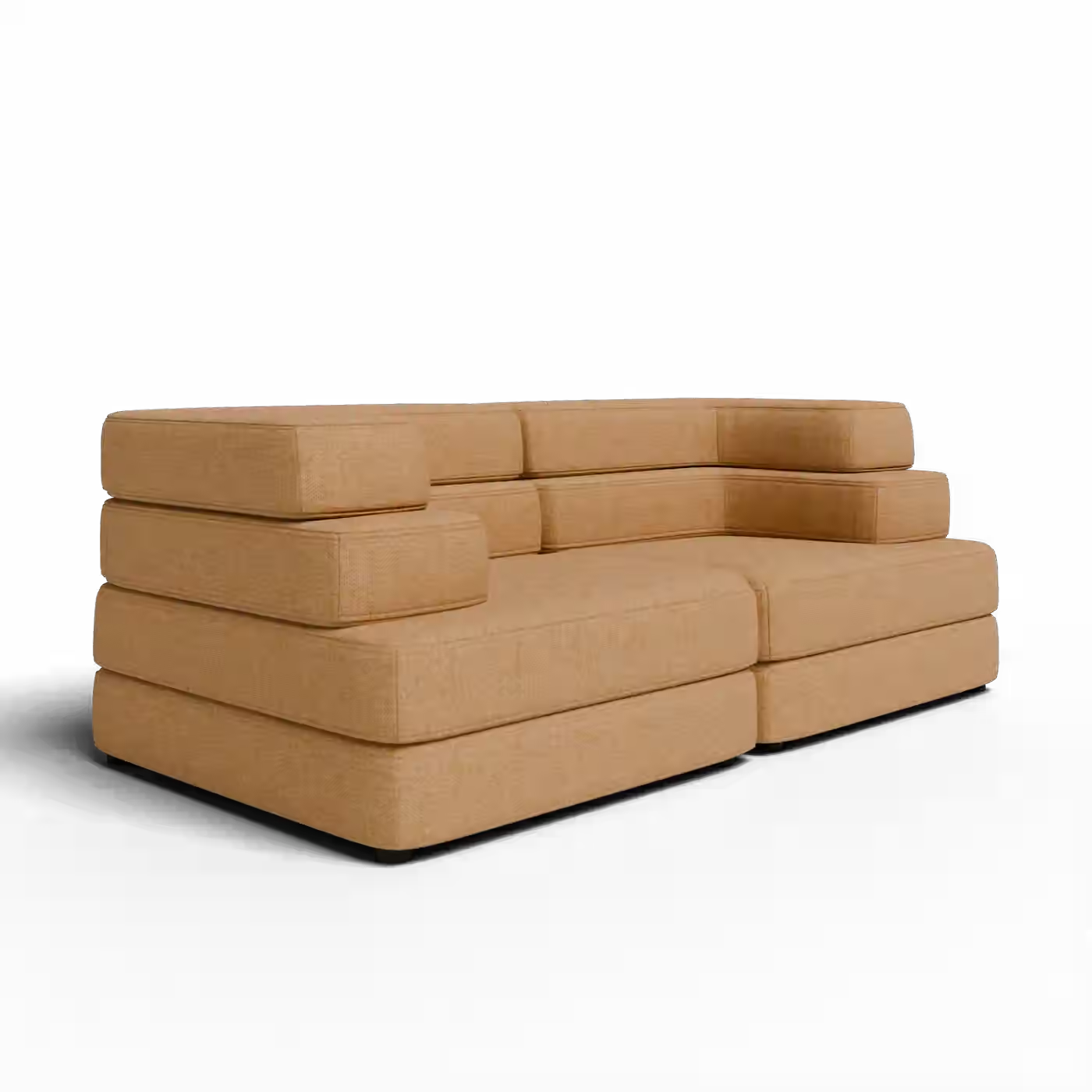
 Production-ready product images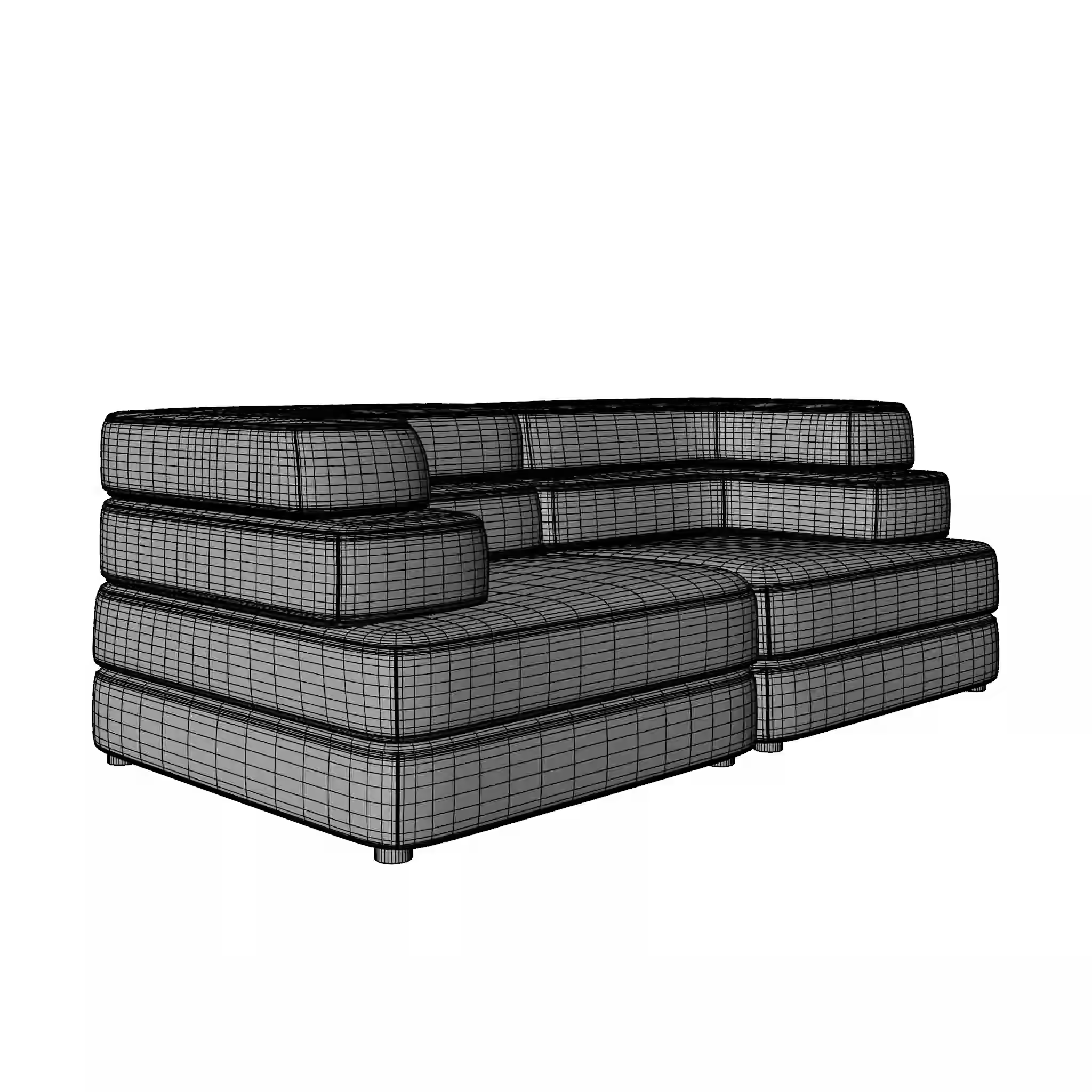
Goal
Build a rendering pipeline that can:
- generate product variants automatically
- assign materials programmatically
- render Blender scenes headlessly
- produce consistent output for e-commerce
- scale from a single product to an entire catalogue
Challenges
Some of the more interesting problems include:
- managing thousands of product variants
- assigning materials automatically
- producing transparent product renders
- maintaining consistent lighting and camera positions
- organising generated assets
Current status
The pipeline is already used in production to generate product images for the Studio HENK website, Google Shopping campaigns and other marketing assets.
Although the core workflow is operational, development continues with a focus on configurability, render performance, metadata generation and pipeline scalability.
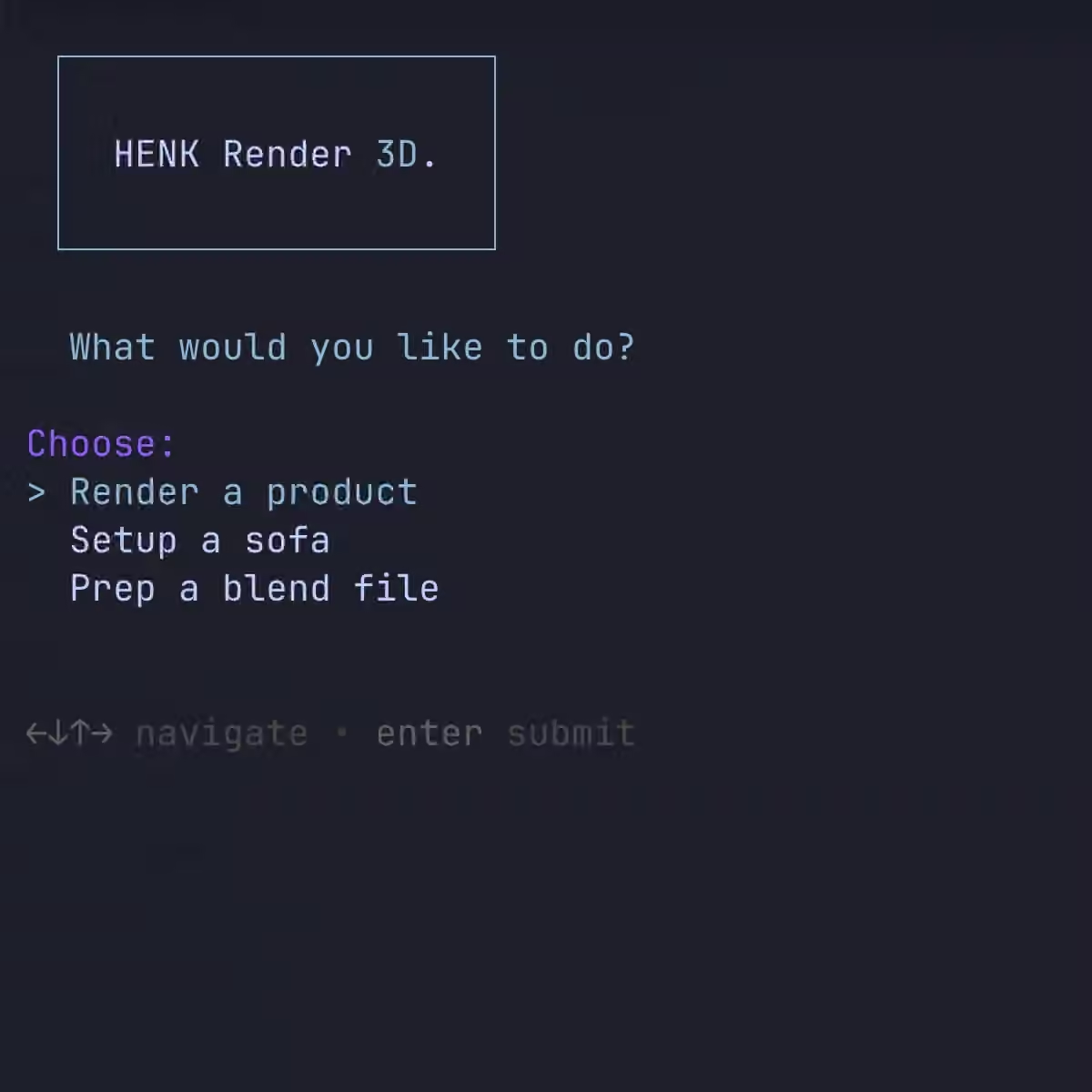
Render Manager
A custom terminal interface provides a consistent workflow for preparing Blender scenes, selecting products and launching rendering jobs without manually interacting with Blender.
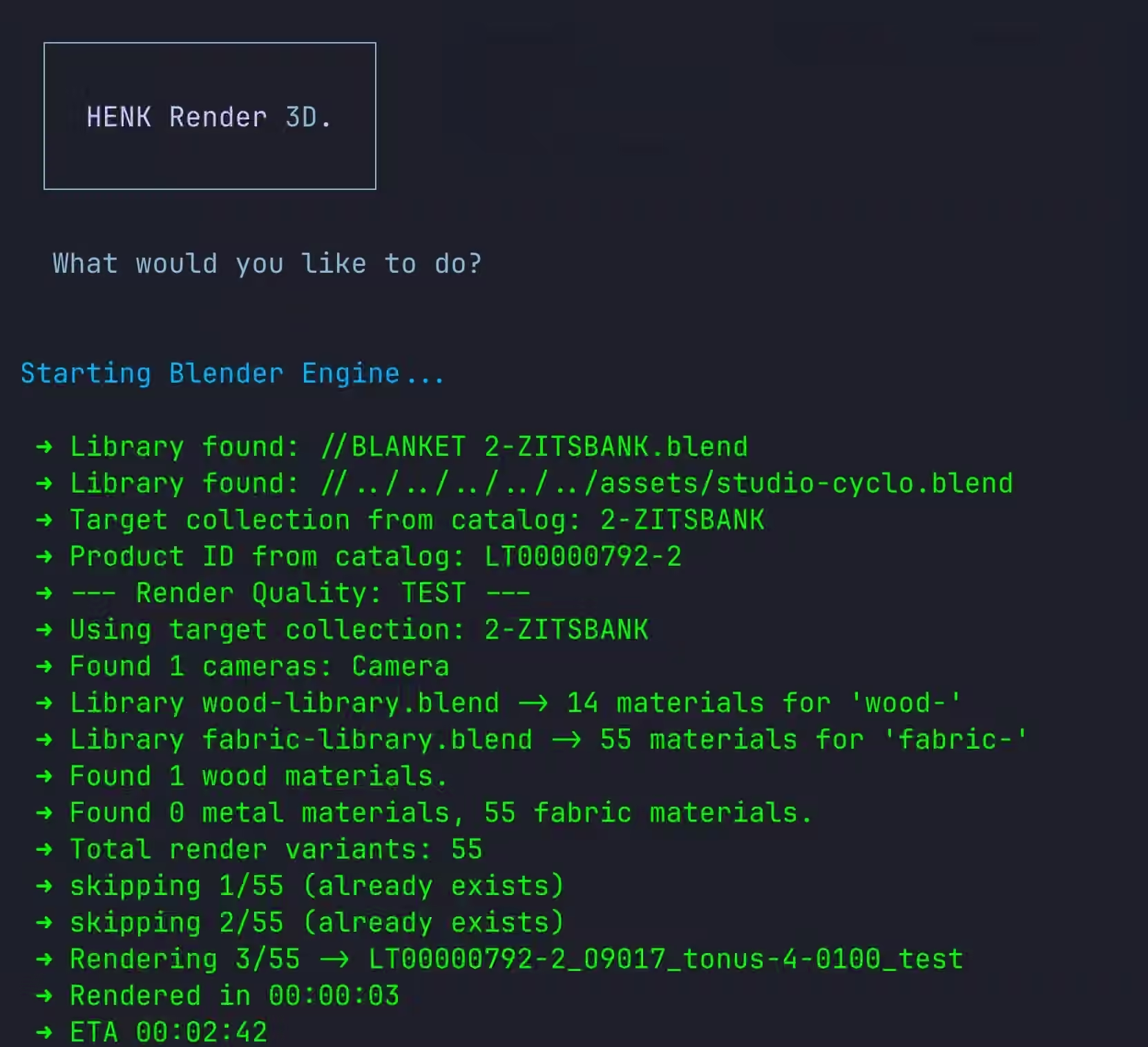
Automated Rendering
Once started, the pipeline discovers product data, assigns materials, renders every variant, skips existing output and performs post-processing automatically while reporting progress and estimated completion time.
Technologies
- Python
- Blender
- Automation
- Batch rendering
- Image processing
Why I built this
I enjoy building tools that remove repetitive work.
Rather than rendering hundreds or even thousands of product variations manually, I’d rather invest time building systems that automate repetitive work reliably and at scale.
Stack
- Python
- Blender Python API
- Bash
- Gum